In a few words…
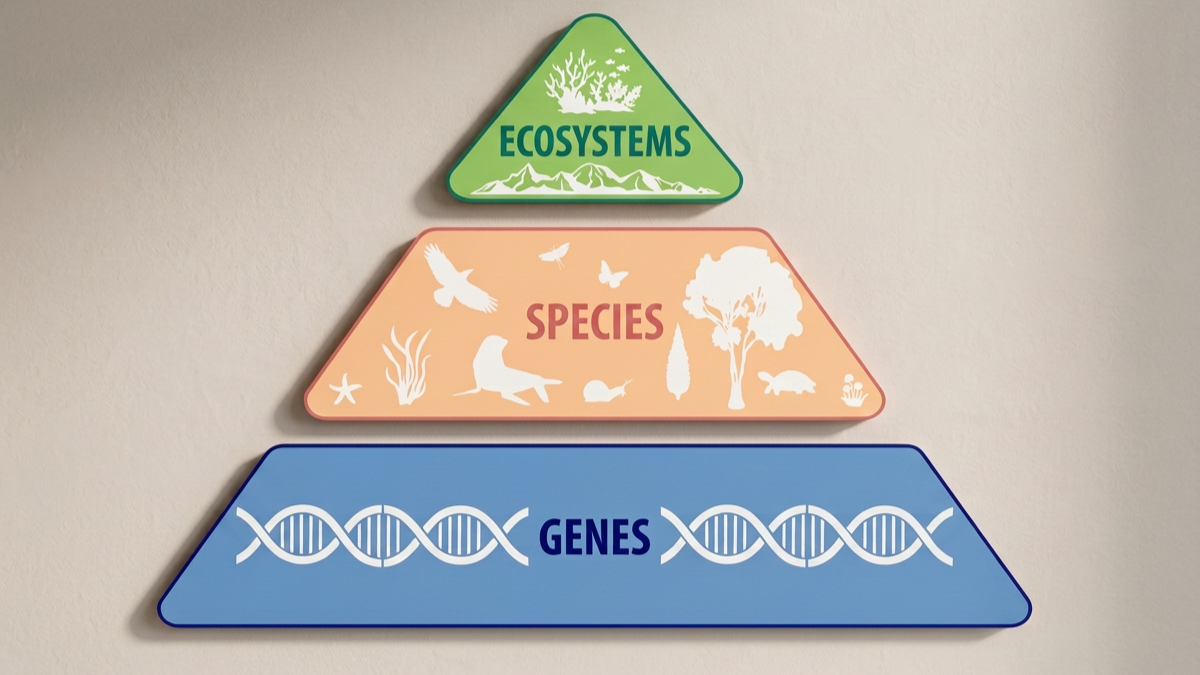
Genetic diversity is the variation in DNA among individuals and populations of the same species. It is one of the three levels of biodiversity, alongside species and ecosystems, and underpins the other two. It gives every species the capacity to survive, reproduce and adapt to a changing world.
What is genetic diversity?
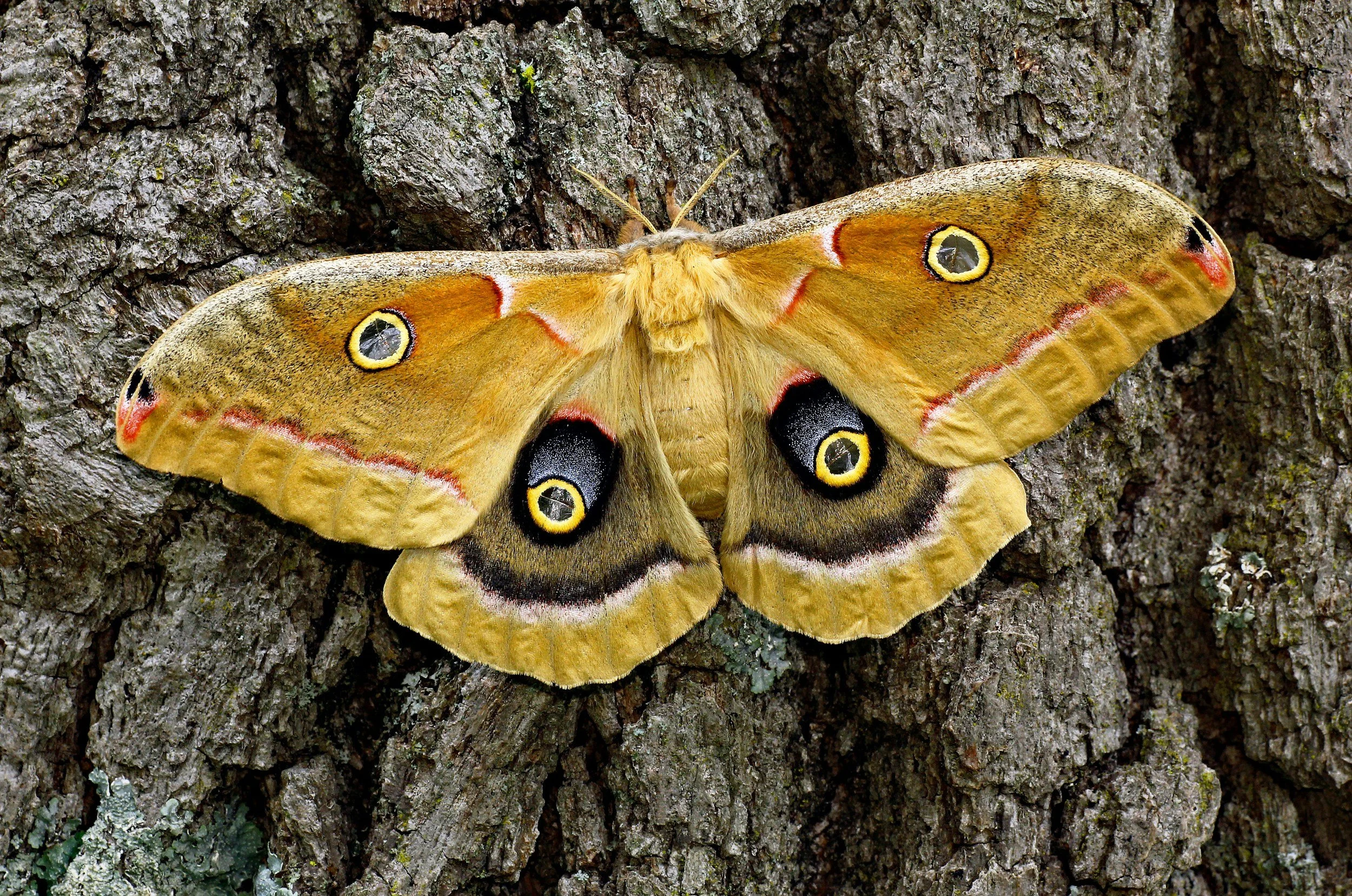
At the core of every cell is a copy of the instruction manual for living things: the genetic code, written in DNA. Differences in that code are what separate a moth from a tree from a bacterium.
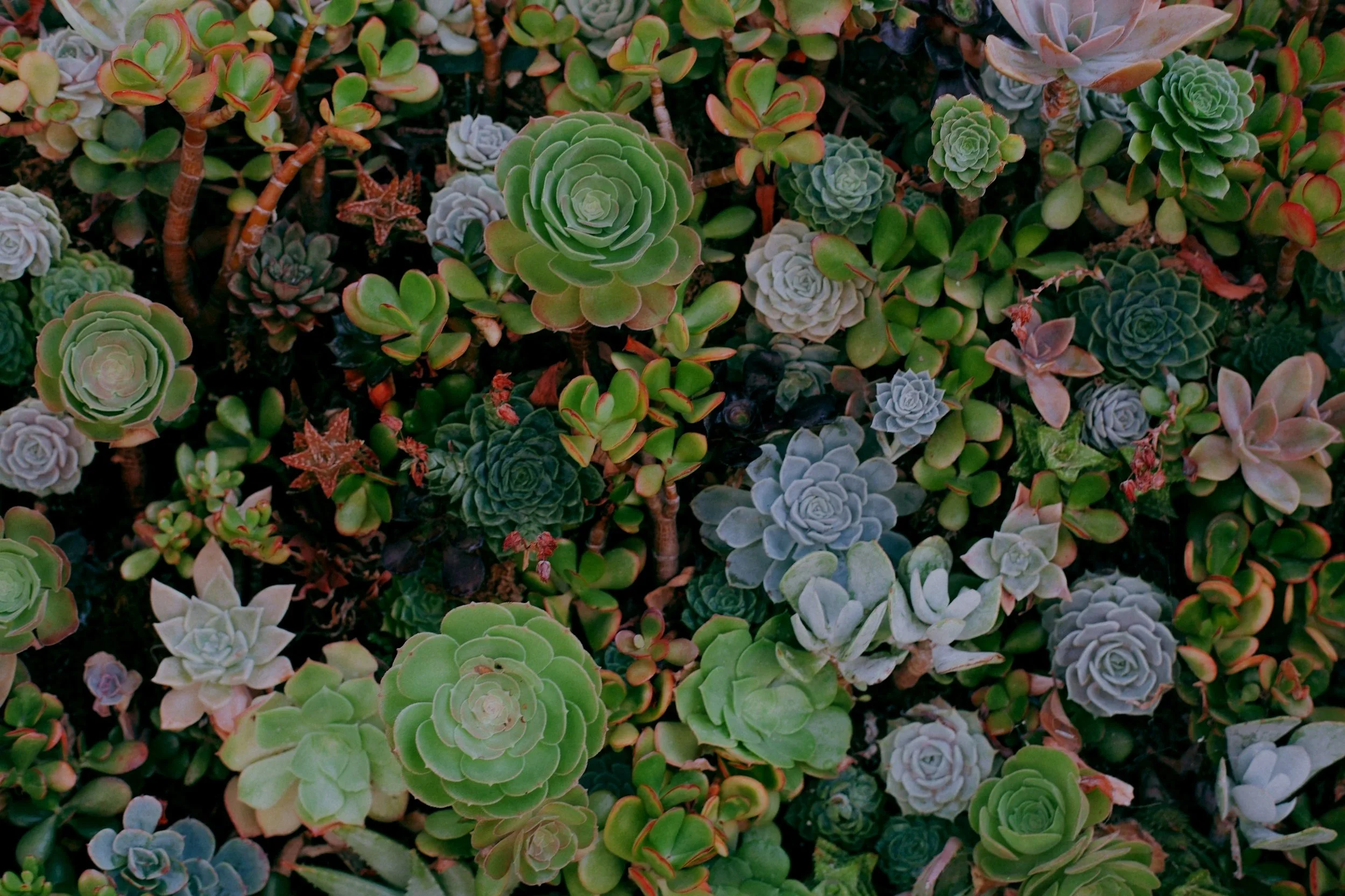
When conservationists talk about genetic diversity, they mean the differences within a species. Within a single species, no two individuals carry exactly the same copy (with the exception of identical twins and clones). These small genetic differences help shape their traits. This is partly why some individuals are larger or smaller, faster or slower, bolder or more cautious.
This variation originally comes from mutations, small changes in the code that build up over generations. Each time a new generation is produced, these variants are reshuffled into new combinations. Many make no difference, and some are harmful. But a variant that seems unimportant today may help some individuals, and ultimately the population, survive when conditions change.
That is why genetic diversity matters so much. Whether it is corals in warming water, coastal plants facing rising seas, or birds exposed to new diseases, the answer to the challenge may already be written somewhere in the species' DNA.
Why do we need genetic diversity?
Genetic diversity keeps ecosystems healthy, keeps food on our tables and supports society as a whole. Without it, species and ecosystems are less able to adapt to change, with knock-on effects for agriculture, climate resilience and biodiversity everywhere.
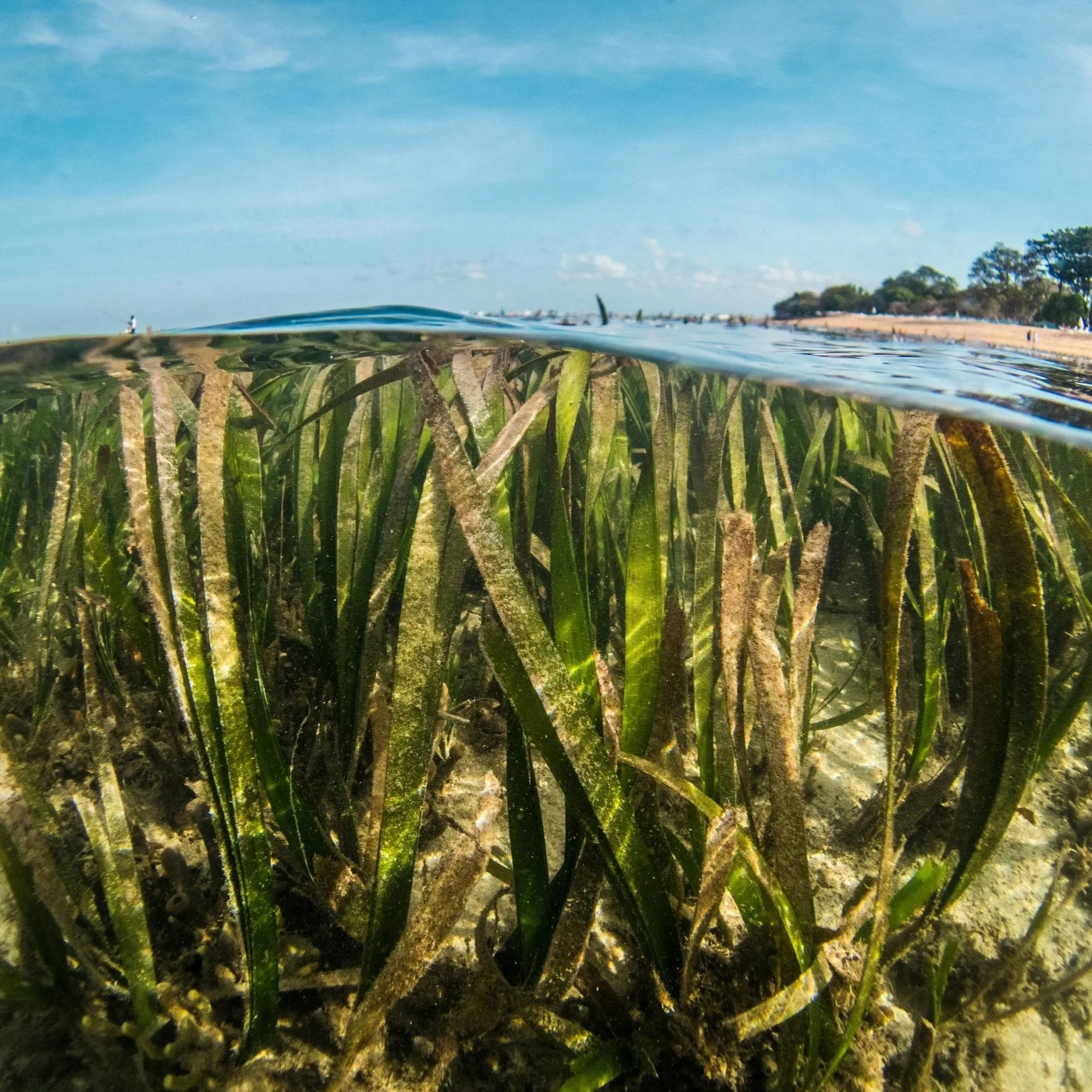
Resilient ecosystems
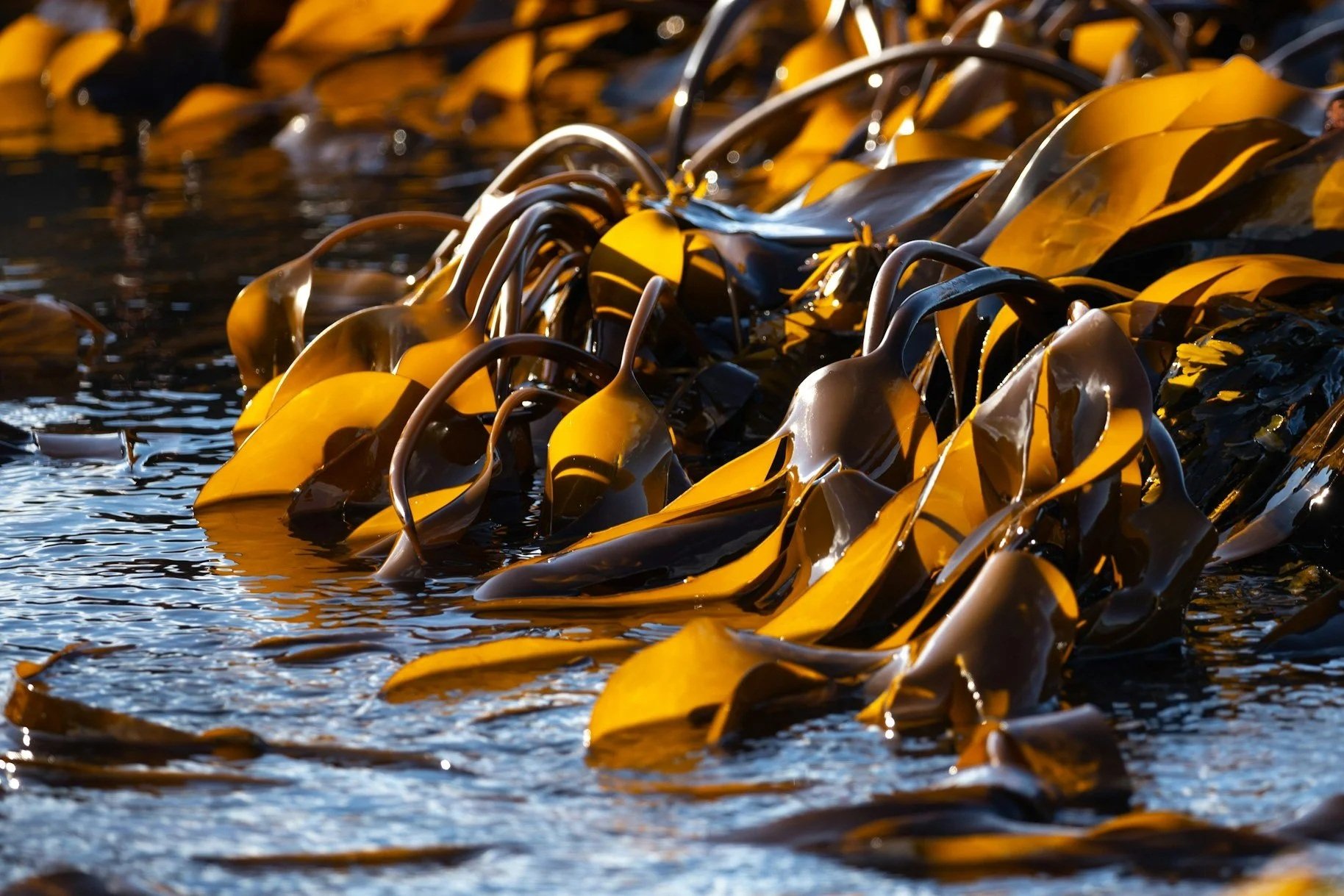
Coral reefs, kelp forests and seagrass meadows rely on genetic diversity to withstand and recover from extreme weather and warmer temperatures. Diversity within species even shapes how many other species an ecosystem can support. These ecosystems give us coastal protection, clean water, fisheries and carbon storage.
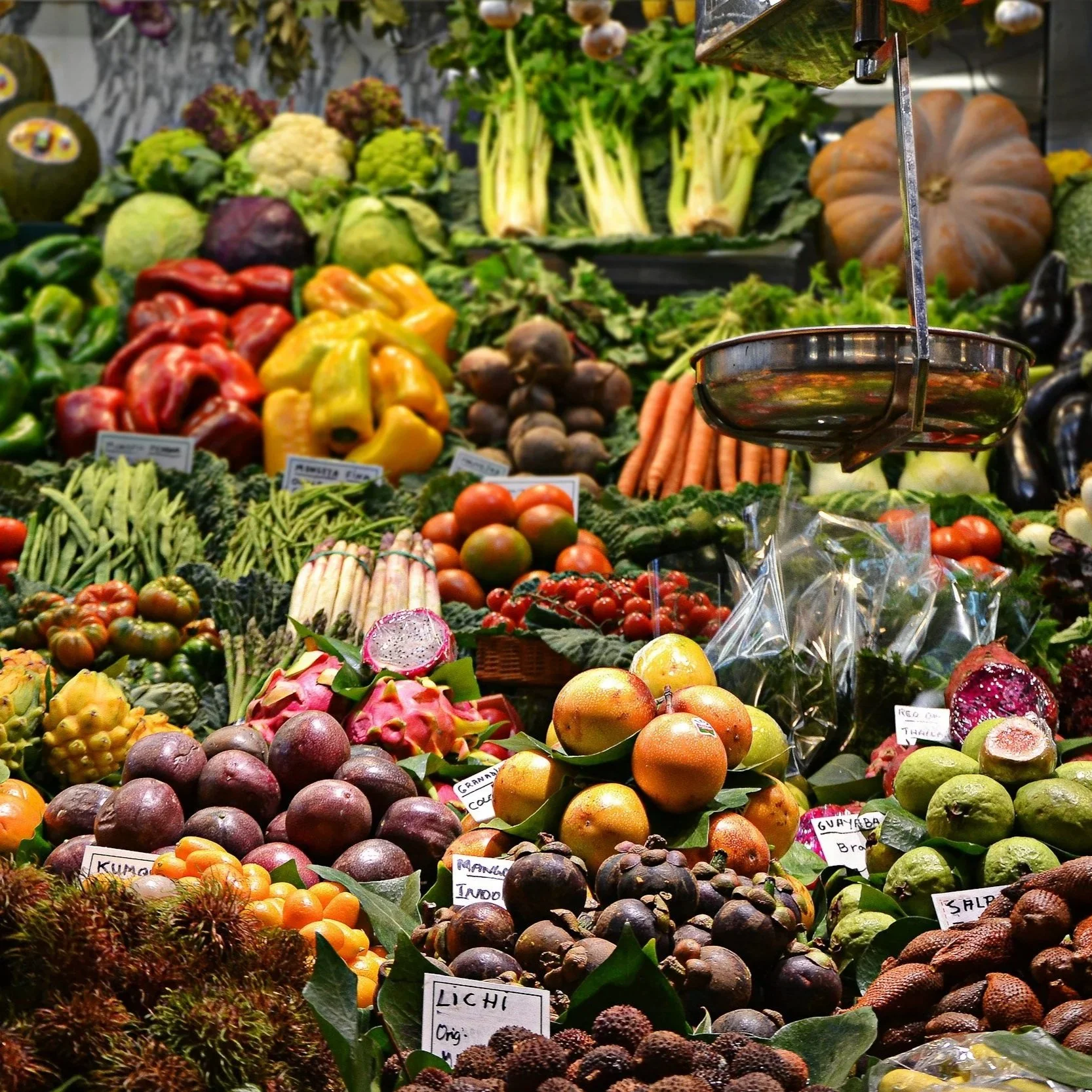
Food and livelihoods
Genes from wild relatives and traditional crop varieties have been bred into crops to help them cope with things like flooding, salty soils and toxic soils - these challenges are growing with climate change. Naturally resistant forest trees are being used to breed and replant forests hit by severe pest and disease outbreaks.
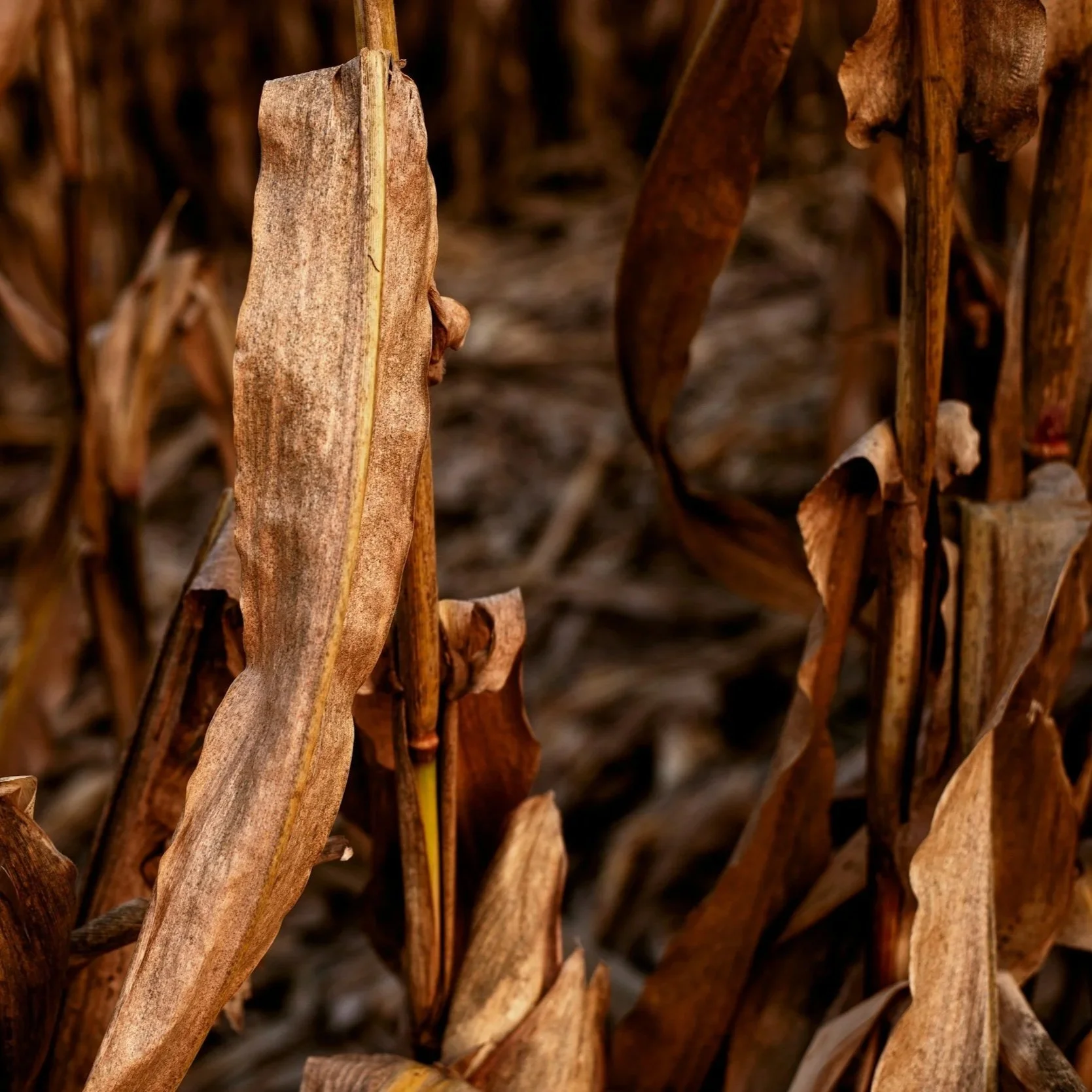
A defence against threats
Genetically diverse populations are better able to withstand diseases, pests and a changing climate. When populations shrink, inbreeding (breeding between close relatives) can set in, lowering health and breeding success and making recovery harder and more expensive. Losing genetic diversity signals that something is wrong in the population. It also means less ability to adapt, potentially leading to extinctions and less stable ecosystems.
Is genetic diversity being lost?
Yes. Before species go extinct, their populations often shrink and become isolated. Large, well connected populations tend to have high levels of genetic diversity, with many genetic variants in circulation. As a population declines and becomes isolated over time, its gene pool shrinks too, and with it the options it has for adapting to threats like disease and climate change.
There is a large body of evidence that shows genetic diversity is being lost globally. The studies use different methods, some measuring change directly in old and new samples and others predicting it from habitat and population loss, so their numbers differ, but they all point in the same direction.
~6% lost since the industrial revolution
Comparing old and modern samples from the same populations of 91 species, researchers found genetic diversity has fallen by around 6% on average. On islands, where populations are small and cut off, the loss averaged 28%. Because species that had already gone extinct could not be included, the true loss is likely much greater.
>10% estimated already lost in many species
As species' habitats shrink, so does their genetic diversity. Using the genomes of more than 10,000 individuals from 20 plant and animal species, this study estimated that many species, including ones not considered threatened, may have already lost more than 10% of their genetic diversity. Once lost, it can take hundreds of generations to rebuild: thousands of years for a long-lived tree or mammal.
Global study of 628 species confirms widespread loss
The largest study of its kind combined more than three decades of research from 141 countries. It confirmed that genetic diversity is being lost worldwide, most clearly in birds and mammals, and in threatened and non-threatened species alike. On average, plants, insects and fish held steady over the periods studied, though losses can take time to show. Threats affected two-thirds of the populations studied, but fewer than half received conservation management. The good news: actions such as restoring connectivity and moving individuals between populations were linked to genetic diversity being maintained or even increasing over time.
6–45% predicted loss, even if declines stop today
Genetic diversity loss lags behind population and habitat decline. Translating habitat area and population size trends for more than 4,600 species into genetic terms, this study predicts that species will lose an average of 6–45% of their genetic diversity over the coming decades to centuries, depending on the scenario, even if population sizes or habitats do not decline further. Protecting the habitat that remains is essential, but on its own it is not enough.
What can we do about genetic diversity loss?
Safeguard, manage and monitor it
We need to safeguard genetic diversity by protecting large populations and the connections between them, manage it through actions such as restoring habitat and moving individuals between populations, and monitor it so we know when action is needed. This helps populations of all species adapt to environmental change, keeps ecosystems resilient, and ensures people continue to benefit.
This priority is increasingly recognised in policy, even at the highest level. For example, the Convention on Biological Diversity’s Kunming-Montreal Global Biodiversity Framework asks countries to “maintain and restore the genetic diversity within and between populations of native, wild and domesticated species” (Target 4). Countries can now track genetic diversity through genetic diversity indicators.
The CCG and our member networks envision a world where the protection of genetic diversity is considered foundational to global conservation policy and practice. You can learn more about our vision, mission and member networks here.
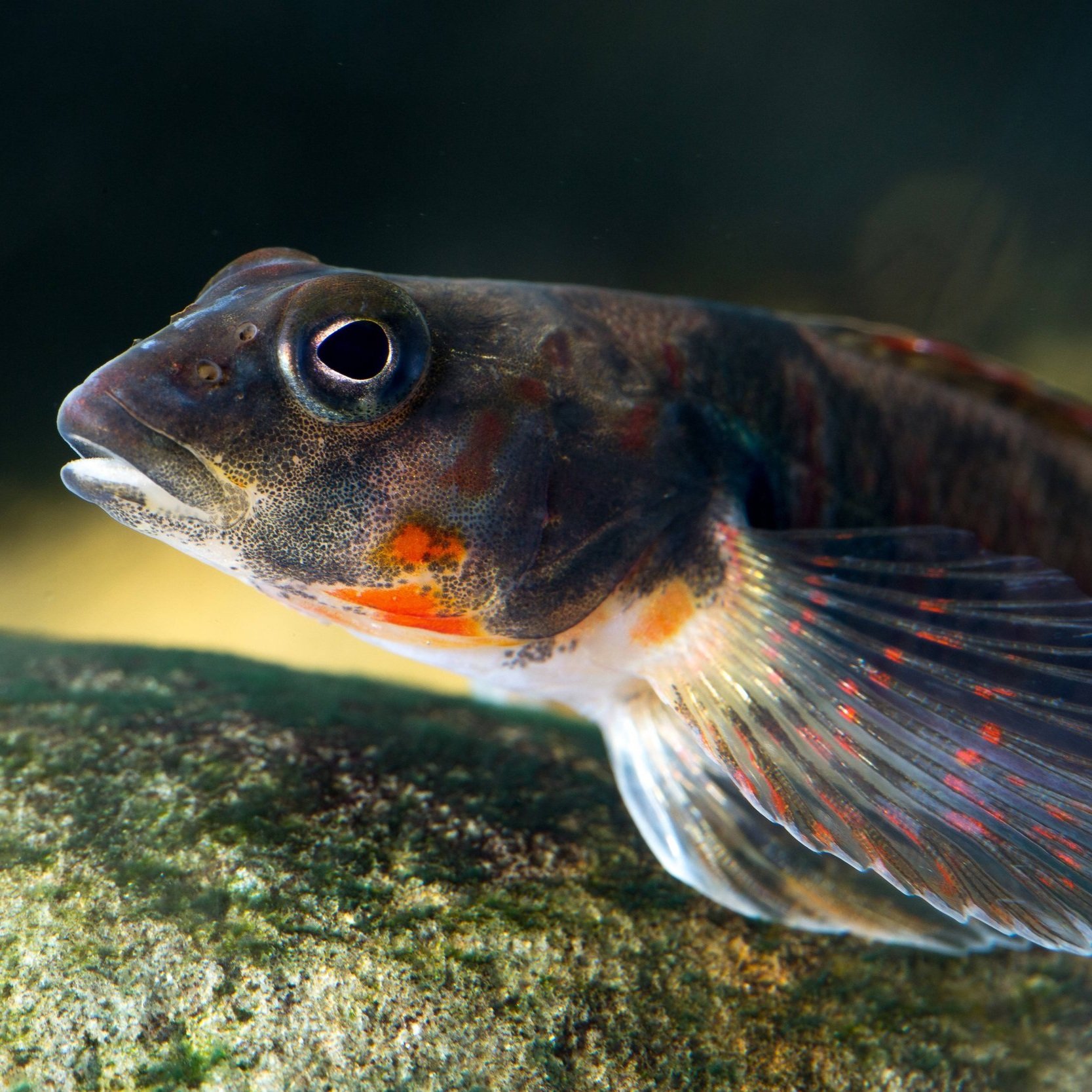
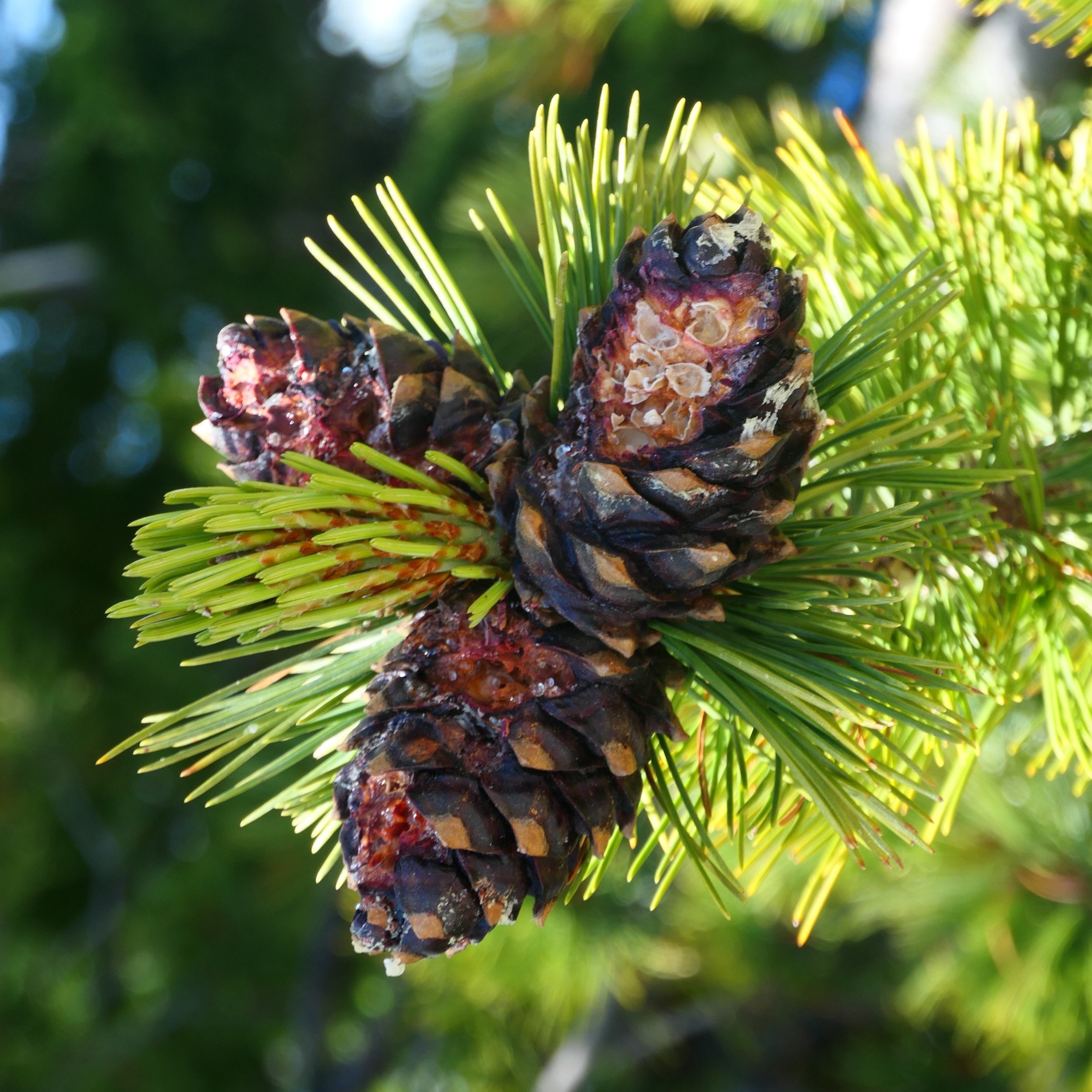
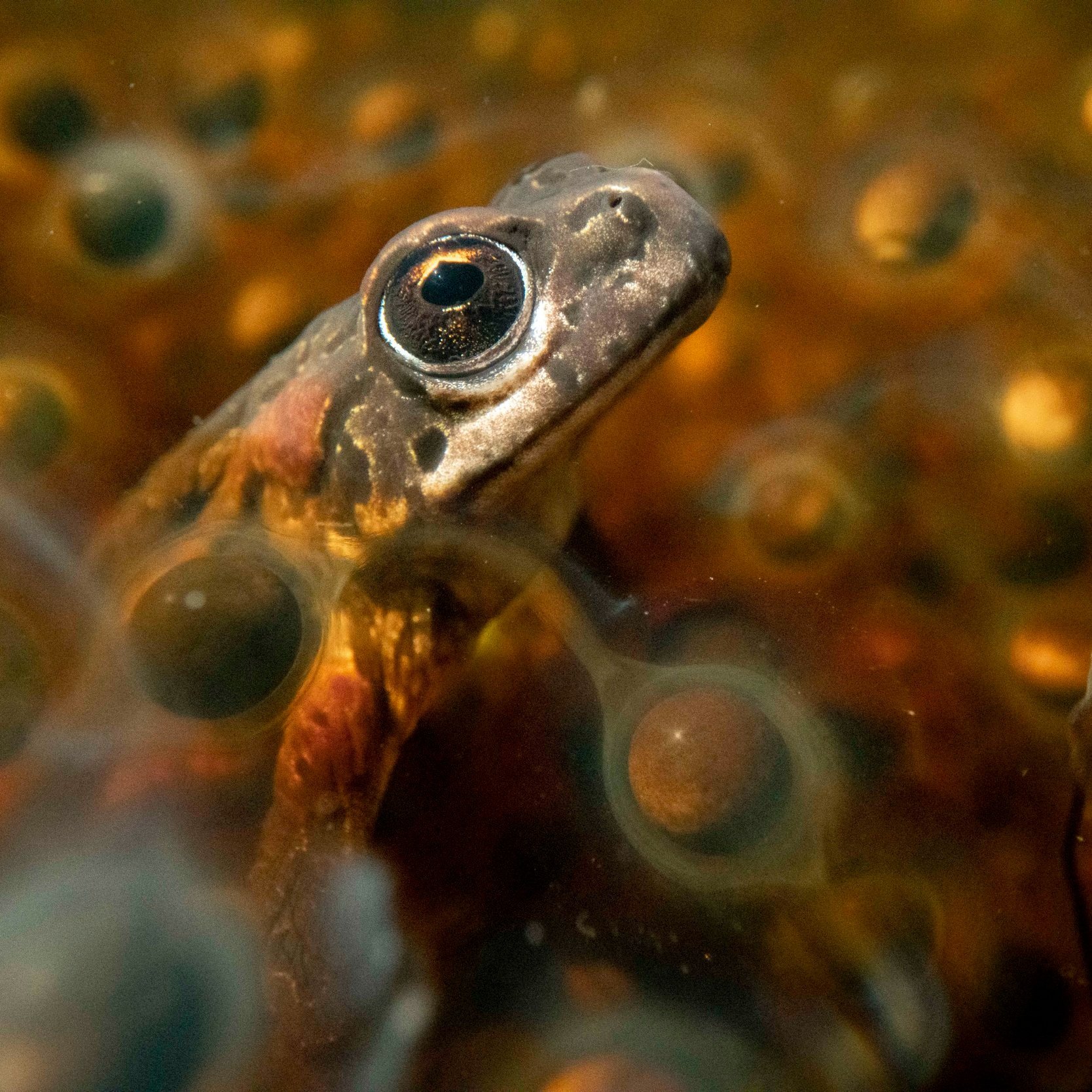
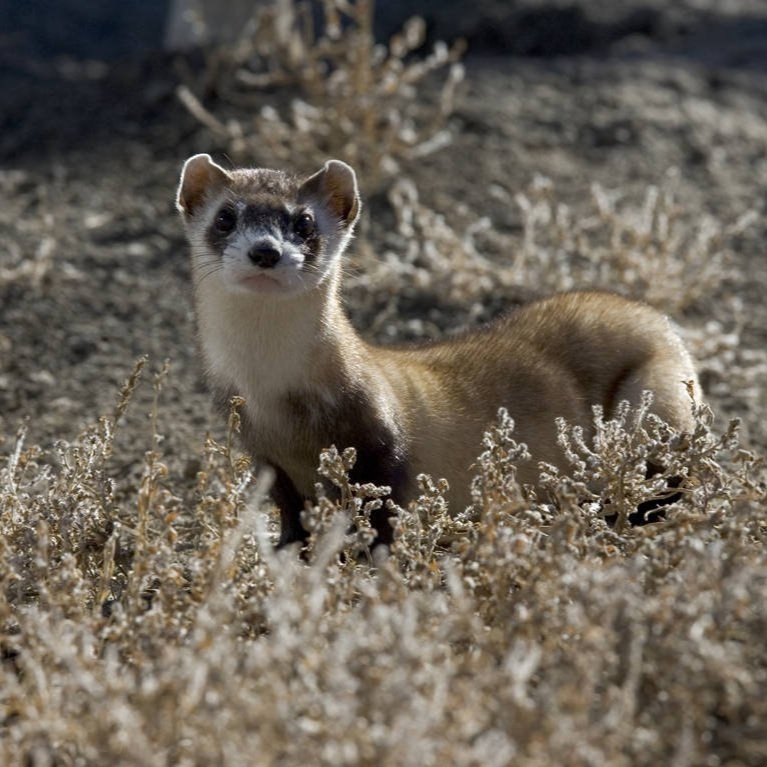
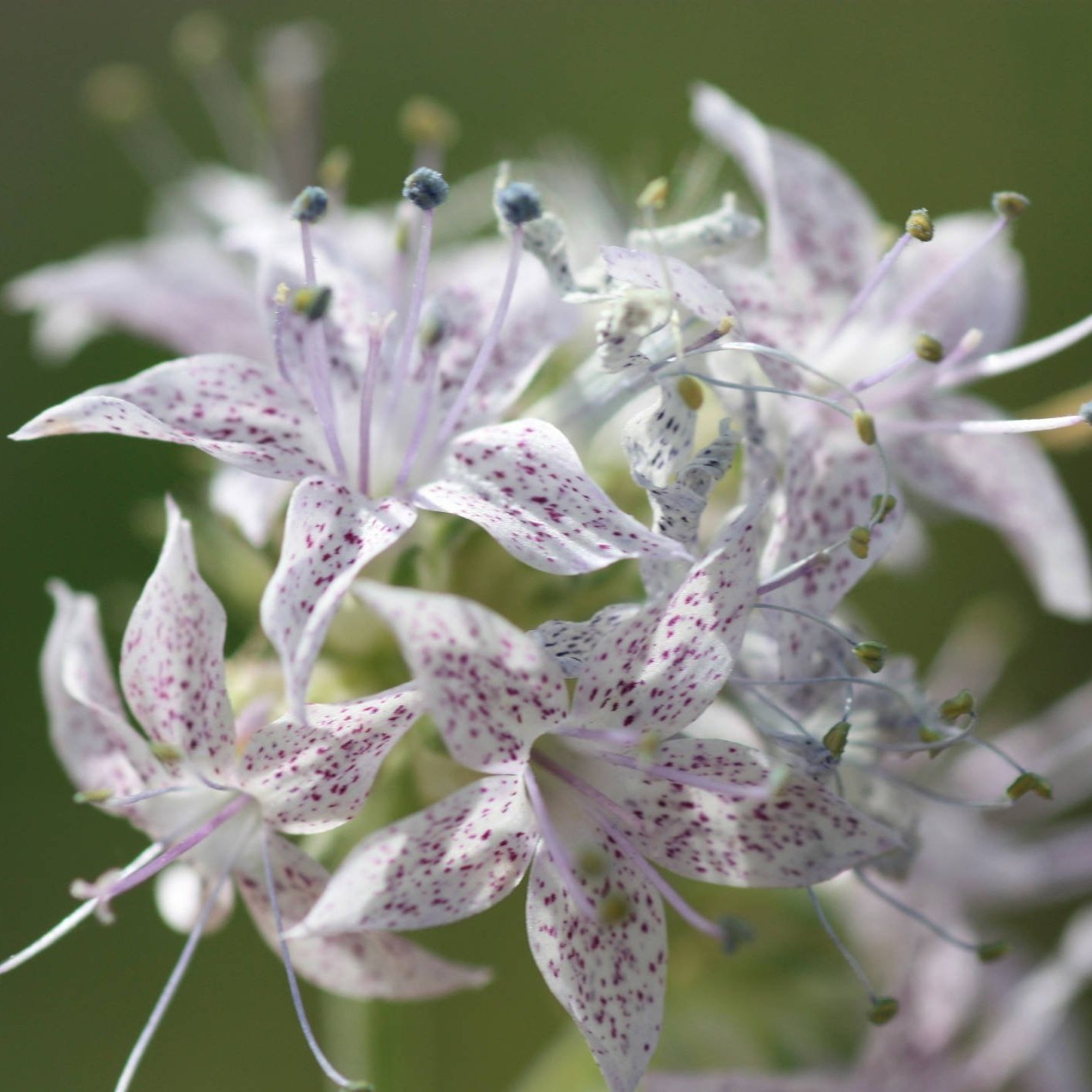
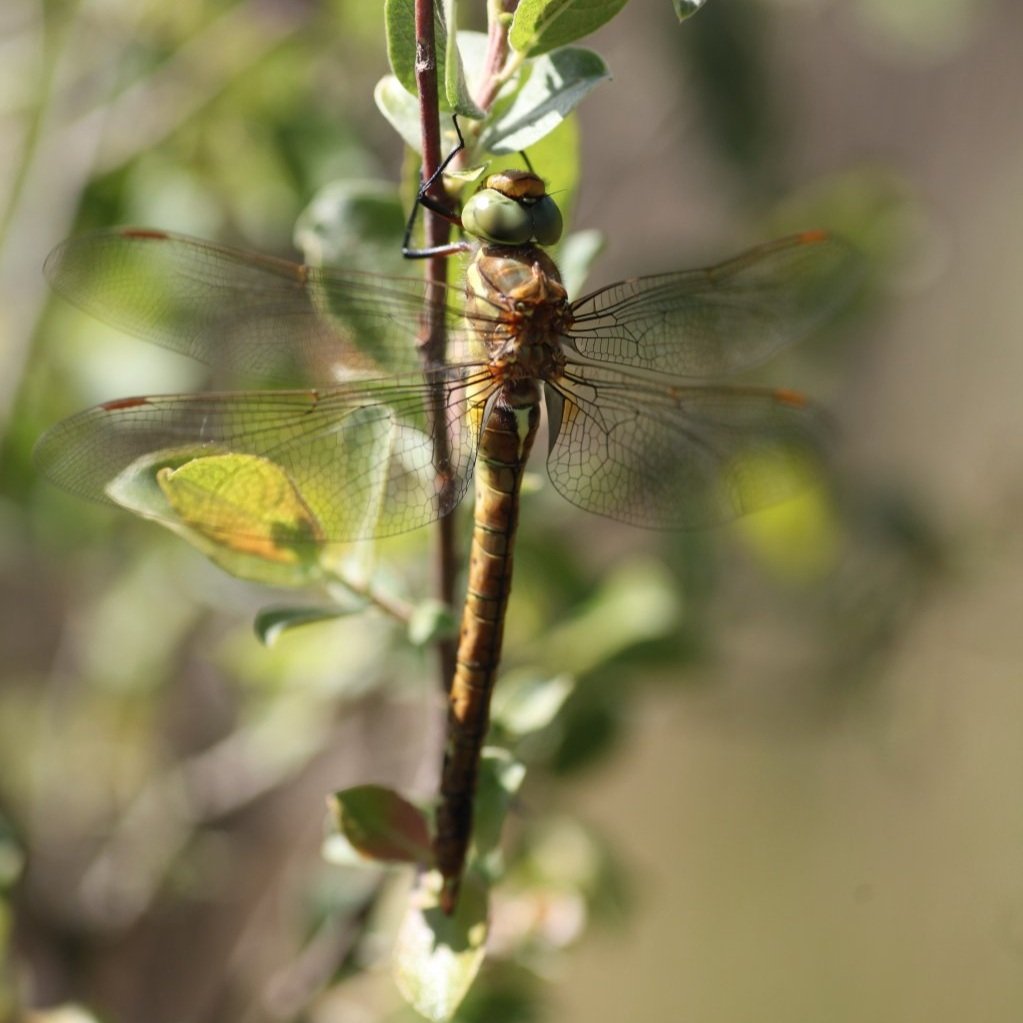
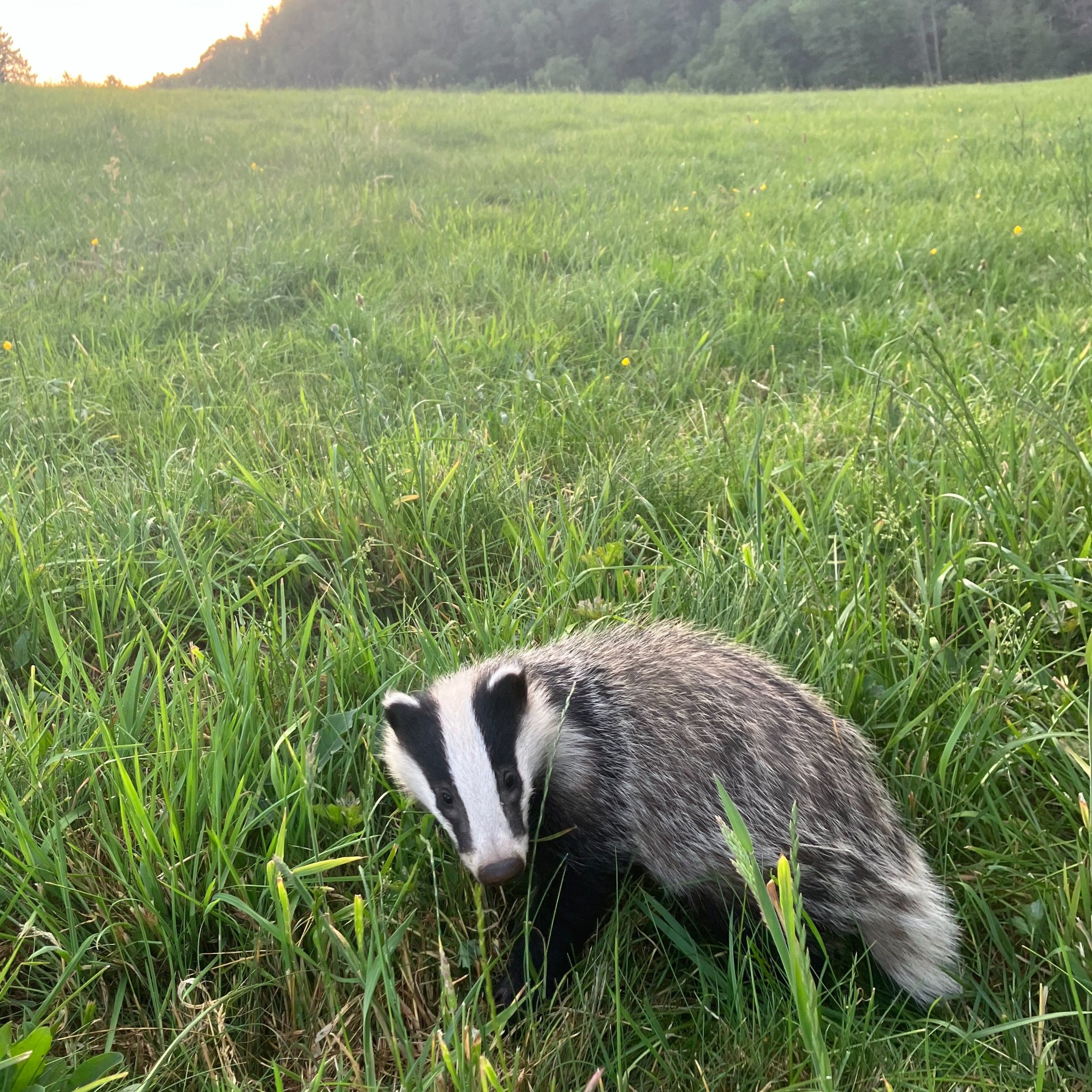
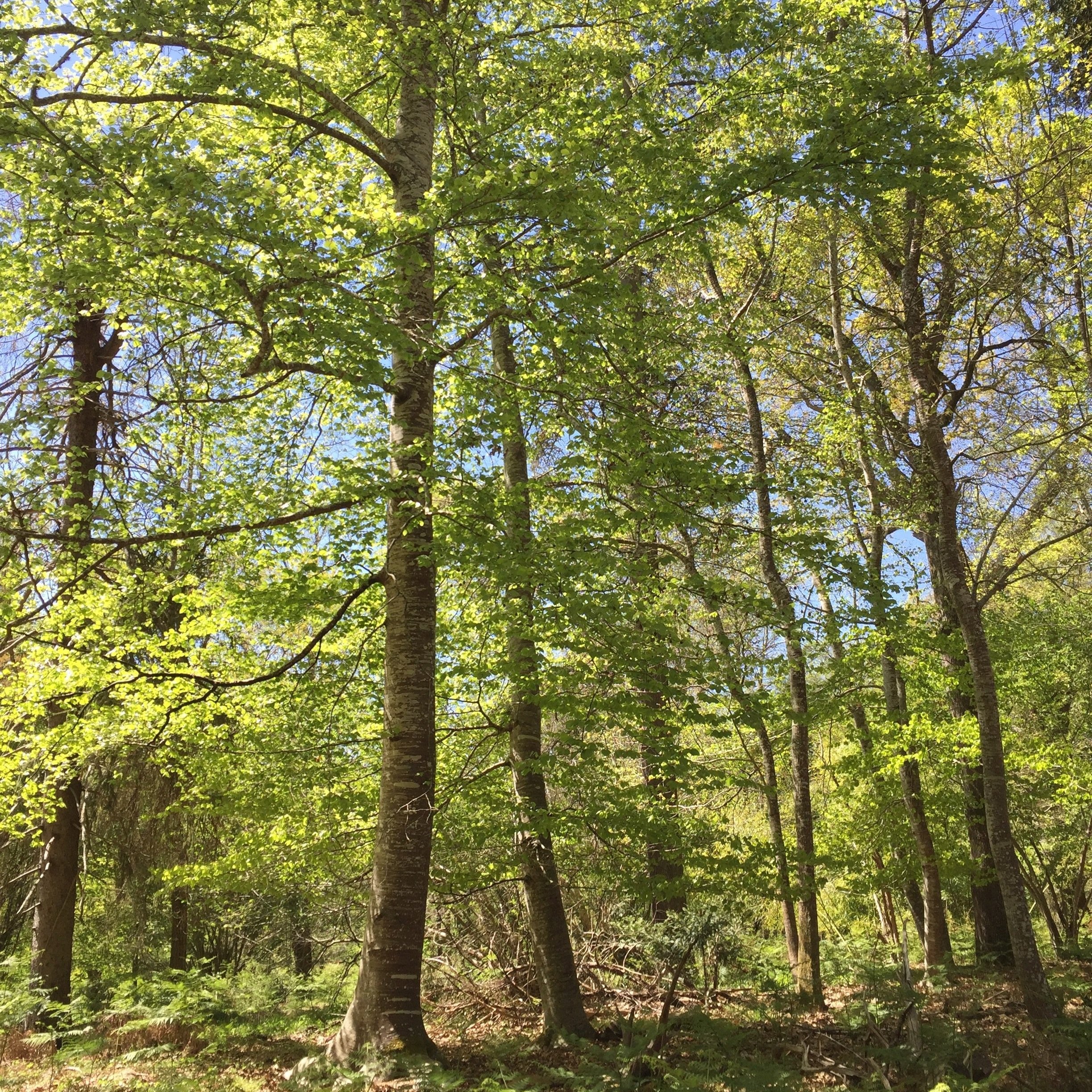
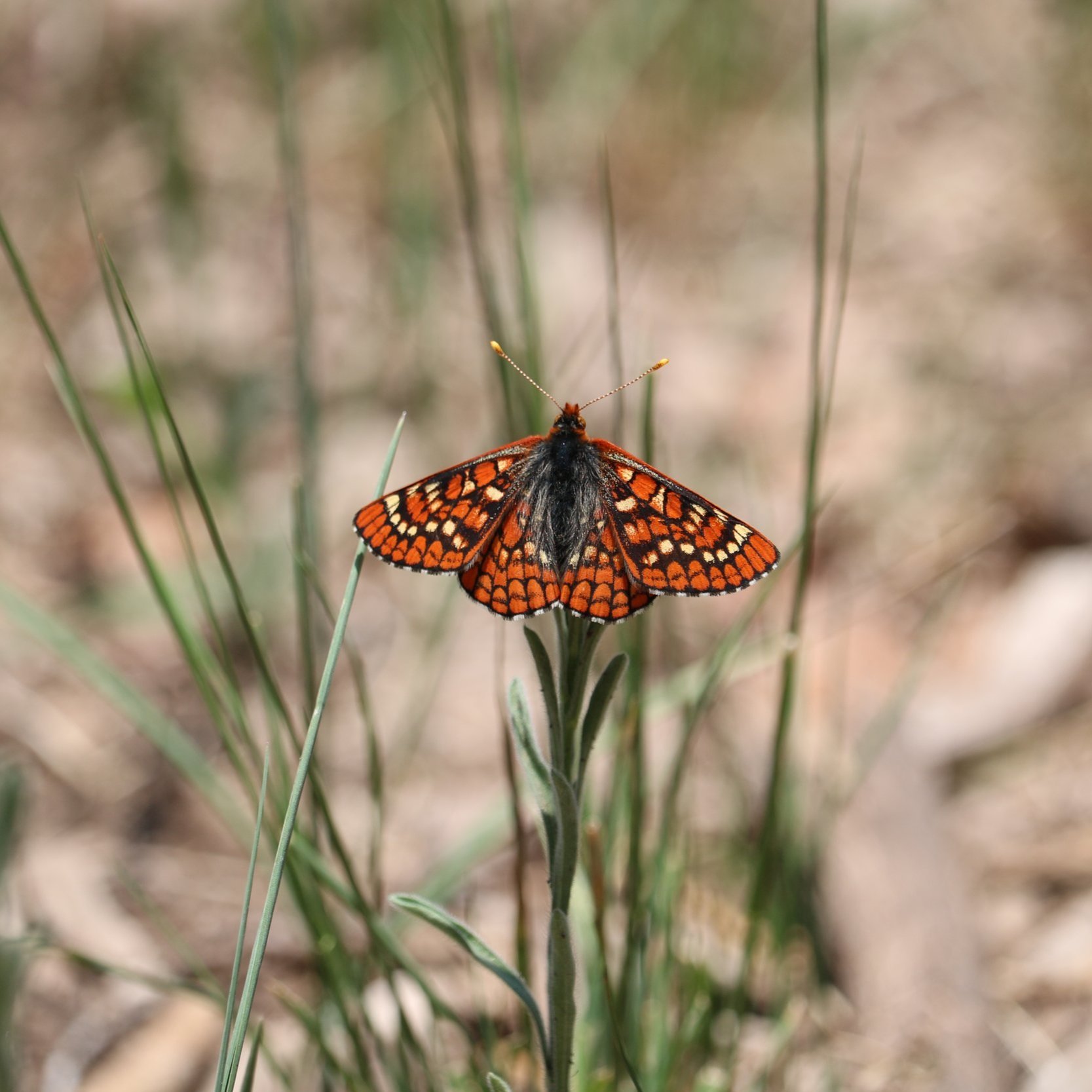
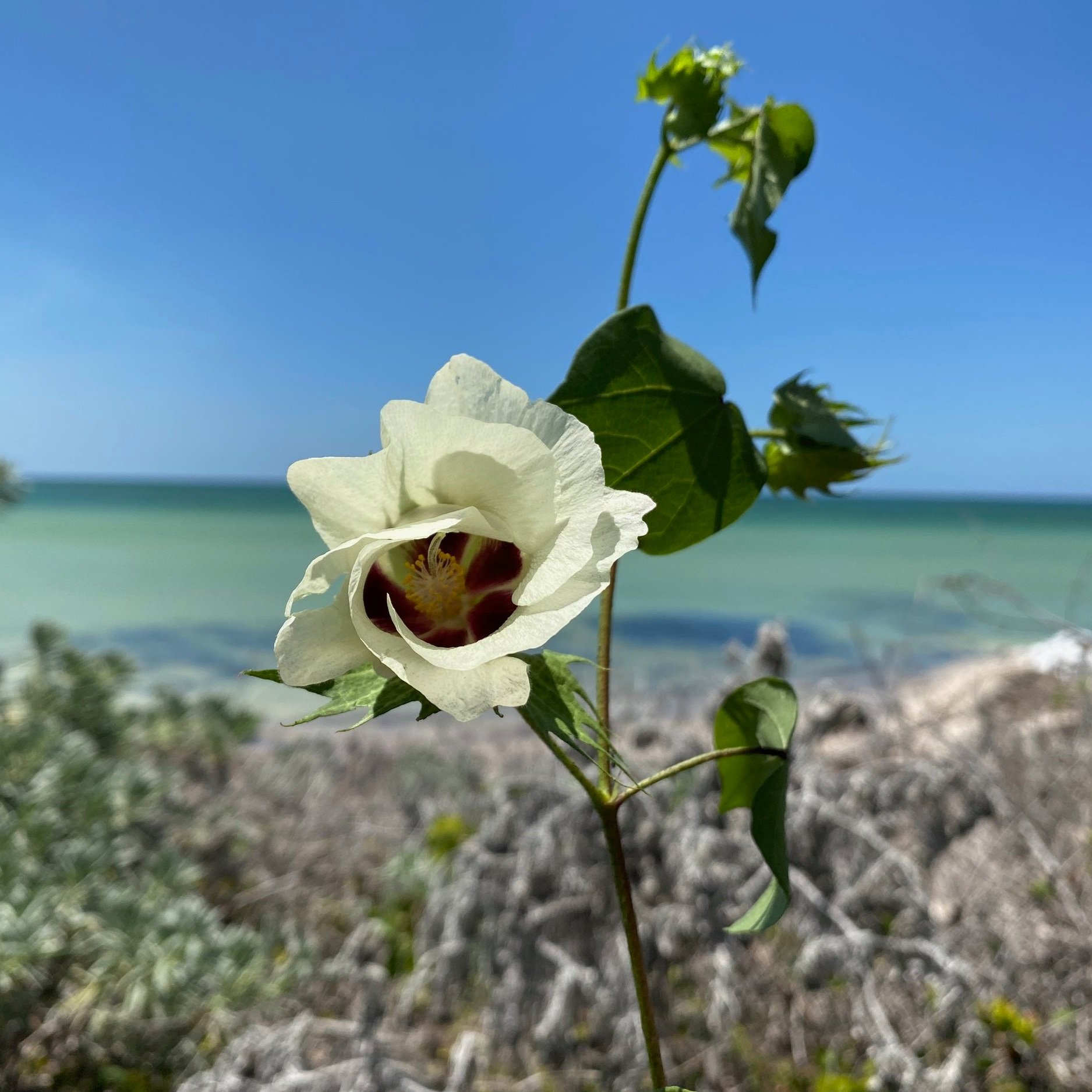
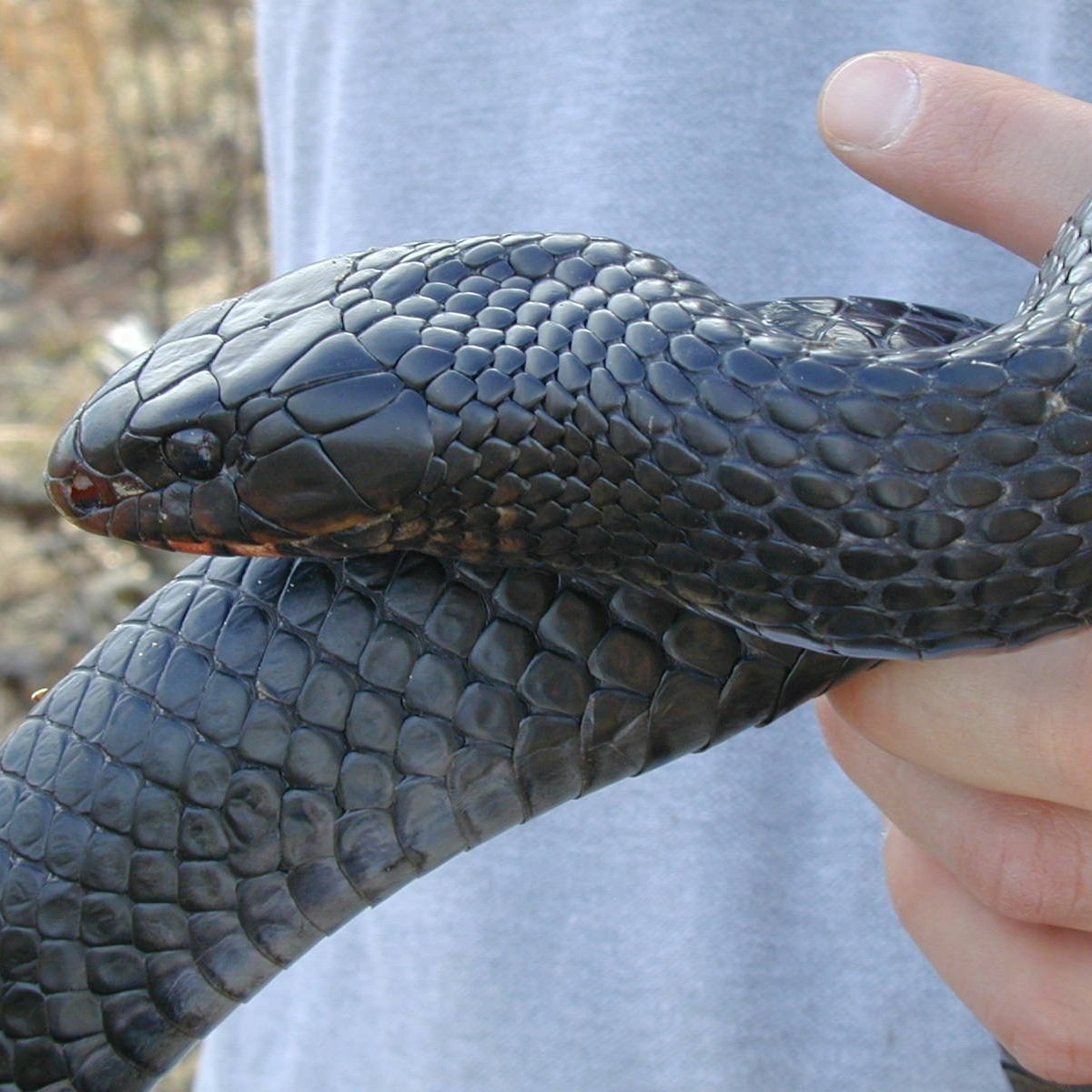
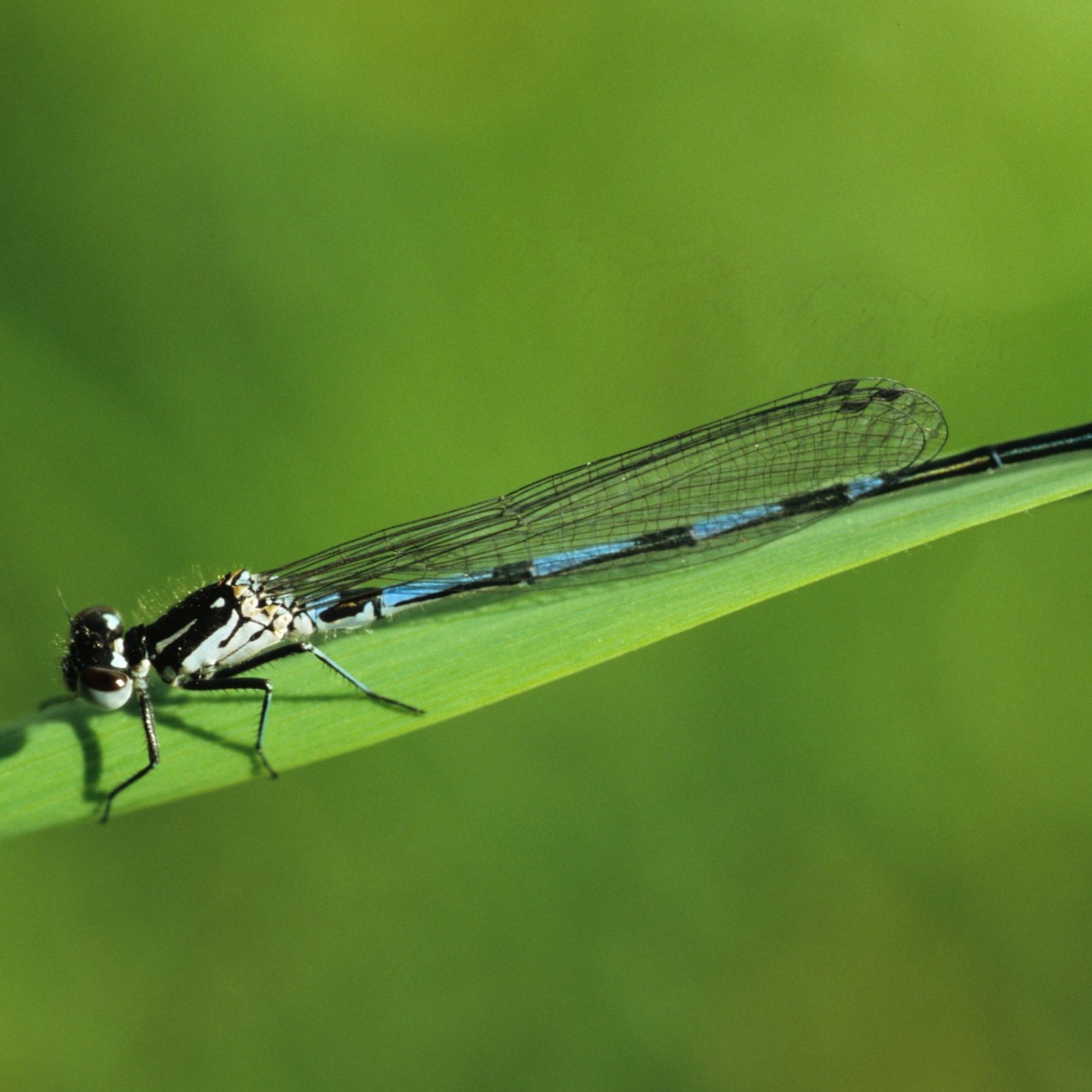
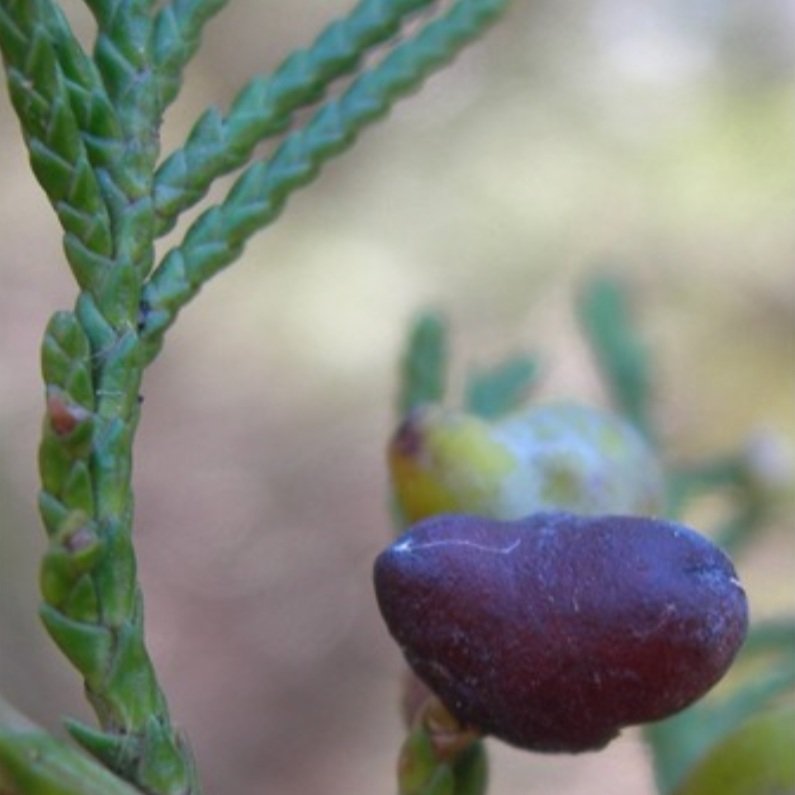
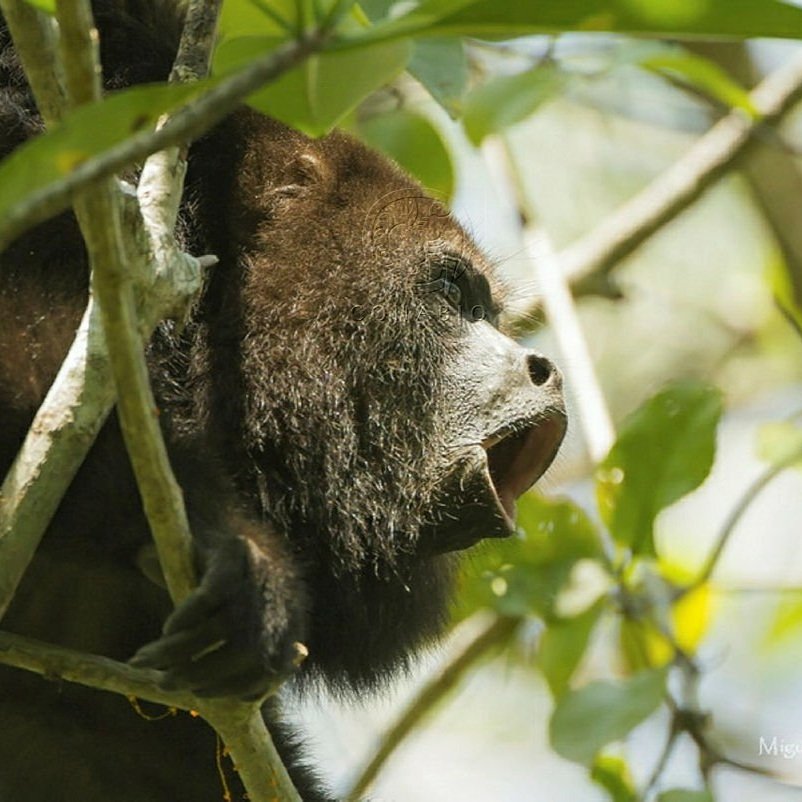
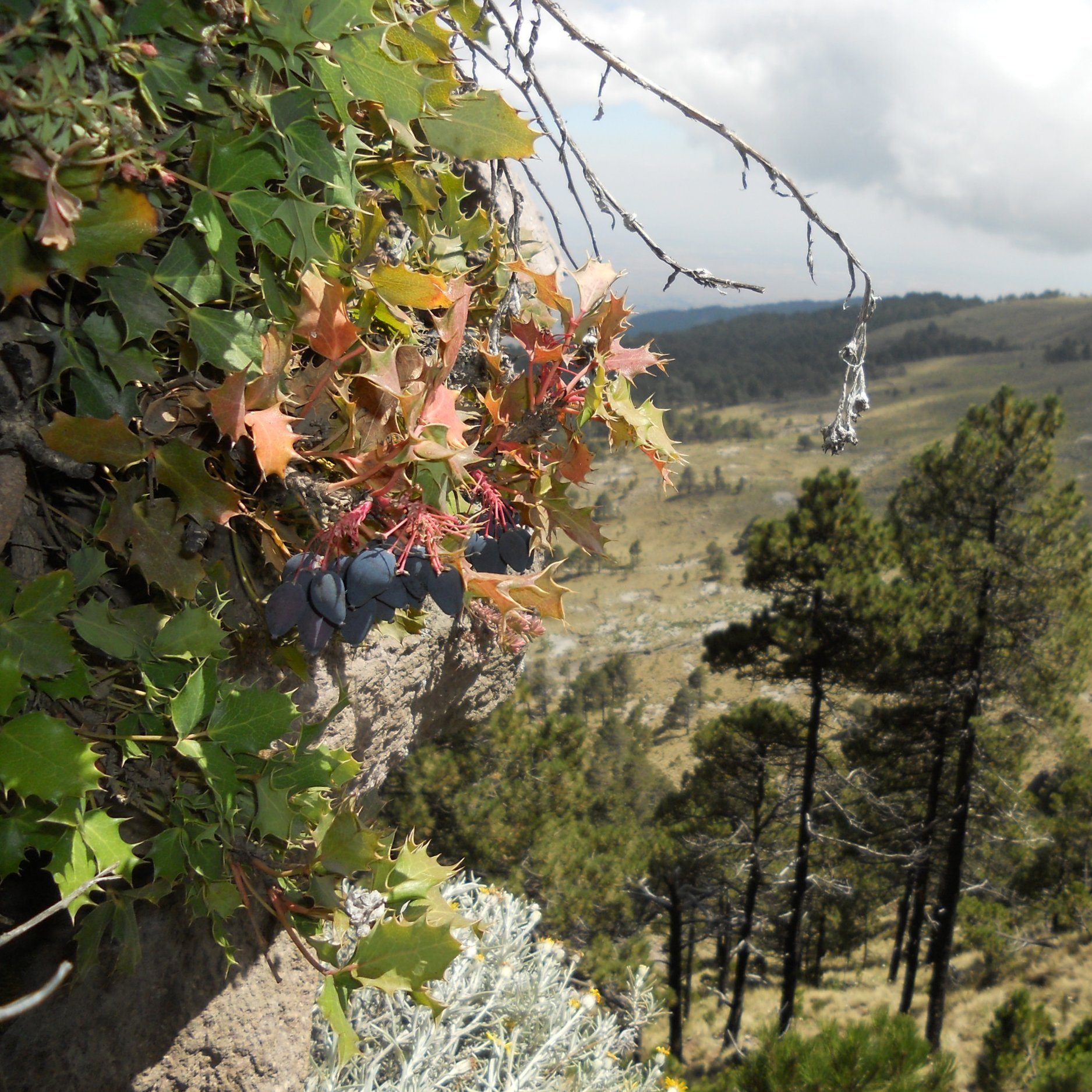
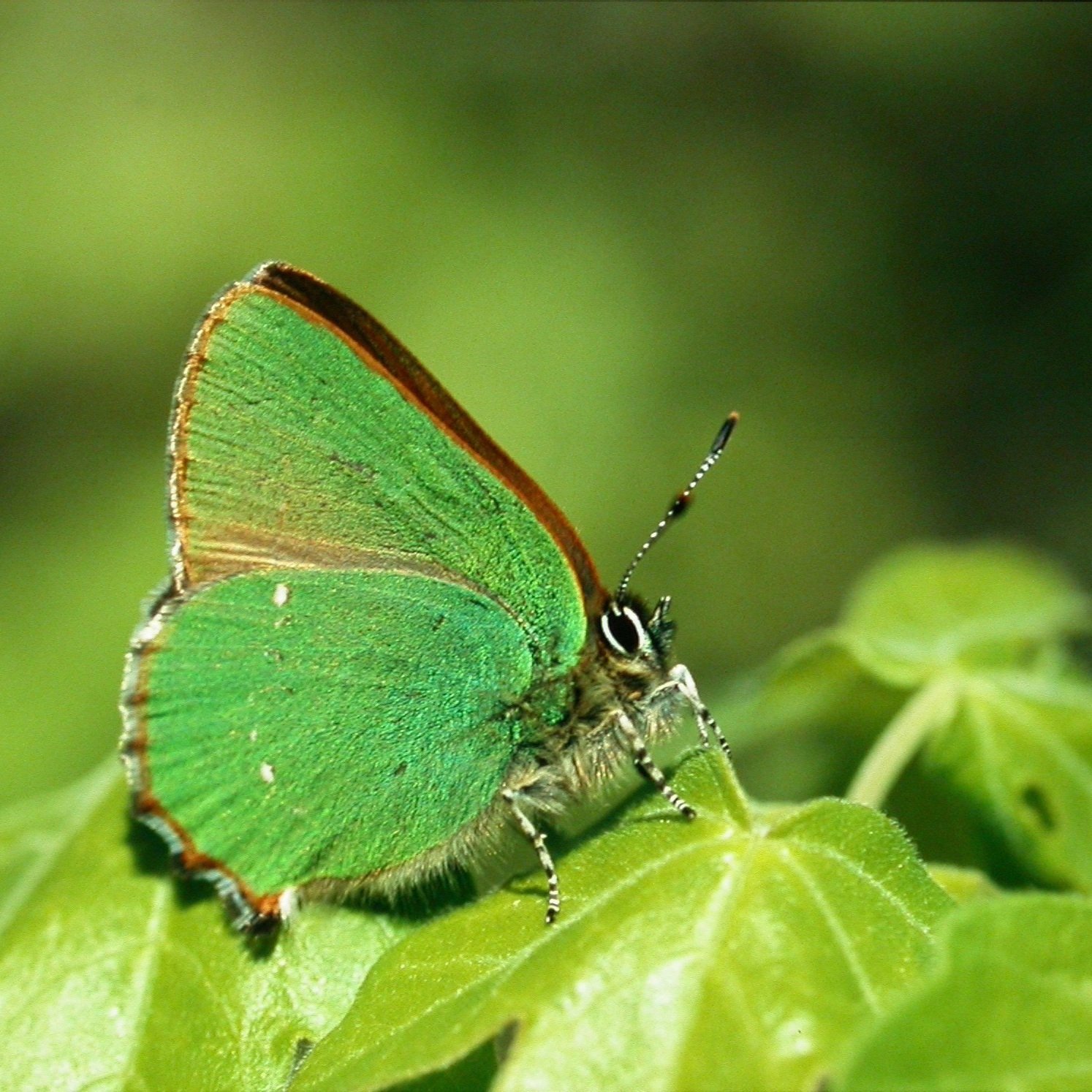
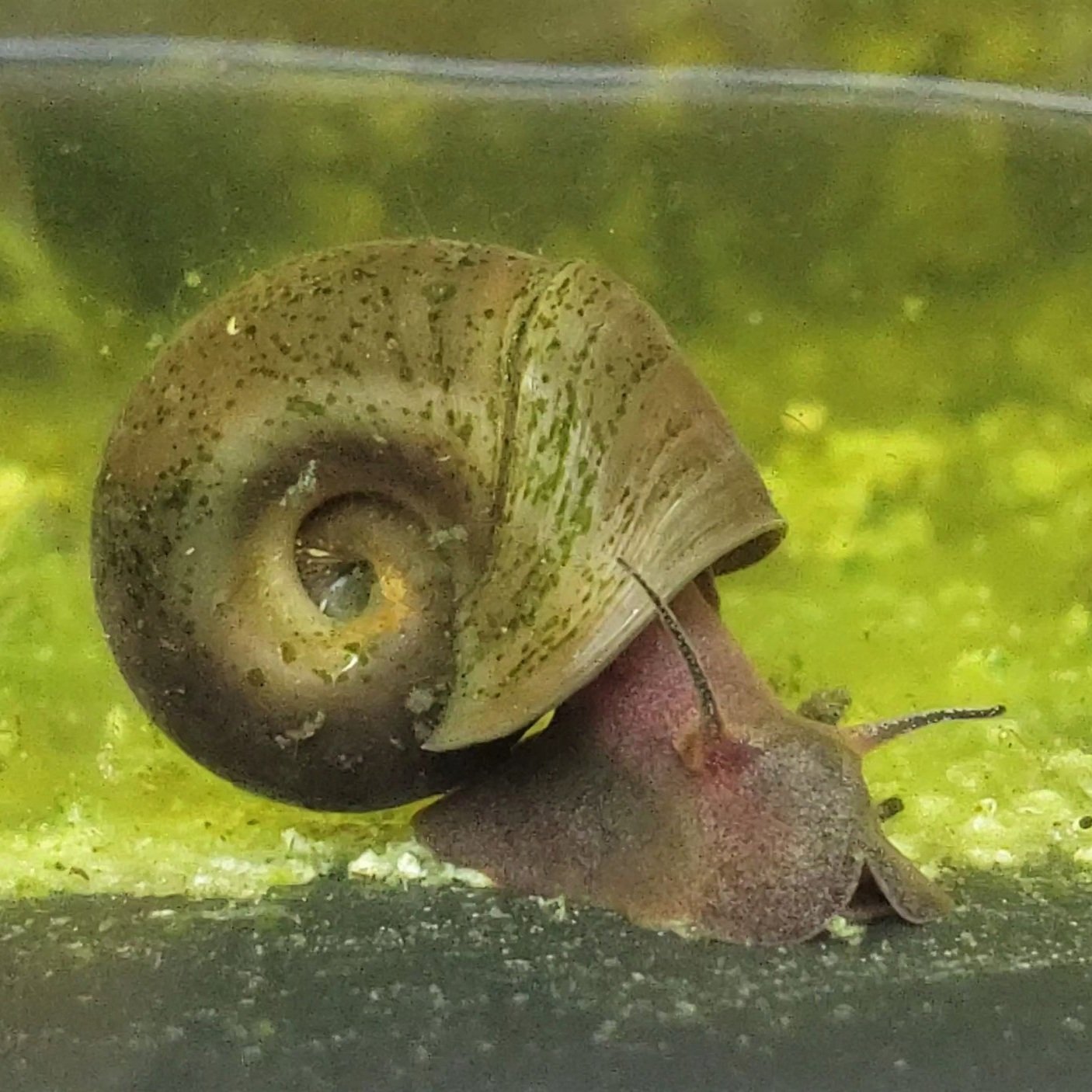
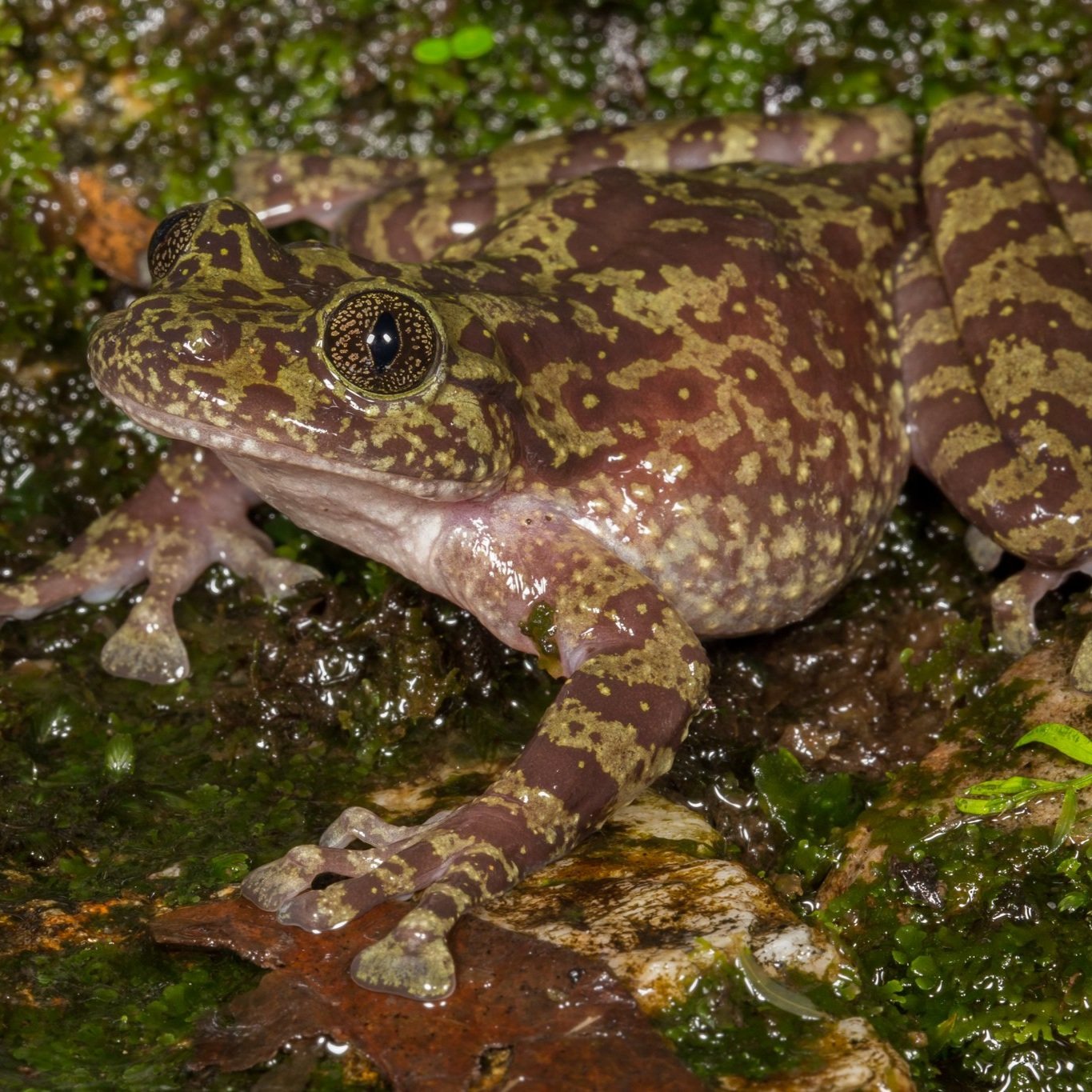
Examples of species that have been assessed using genetic diversity indicators